
Dry Needling in St. Pete
Dry needling — traditionally known as trigger point acupuncture — is a precise, targeted technique used to release tight muscles, ease pain, break up muscle adhesions, and restore movement. If you're dealing with a stubborn knot that just won't loosen up, a nagging strain, or pain that won't go away no matter what treatments you've tried, dry needling may be exactly what your body needs.
Book Appointment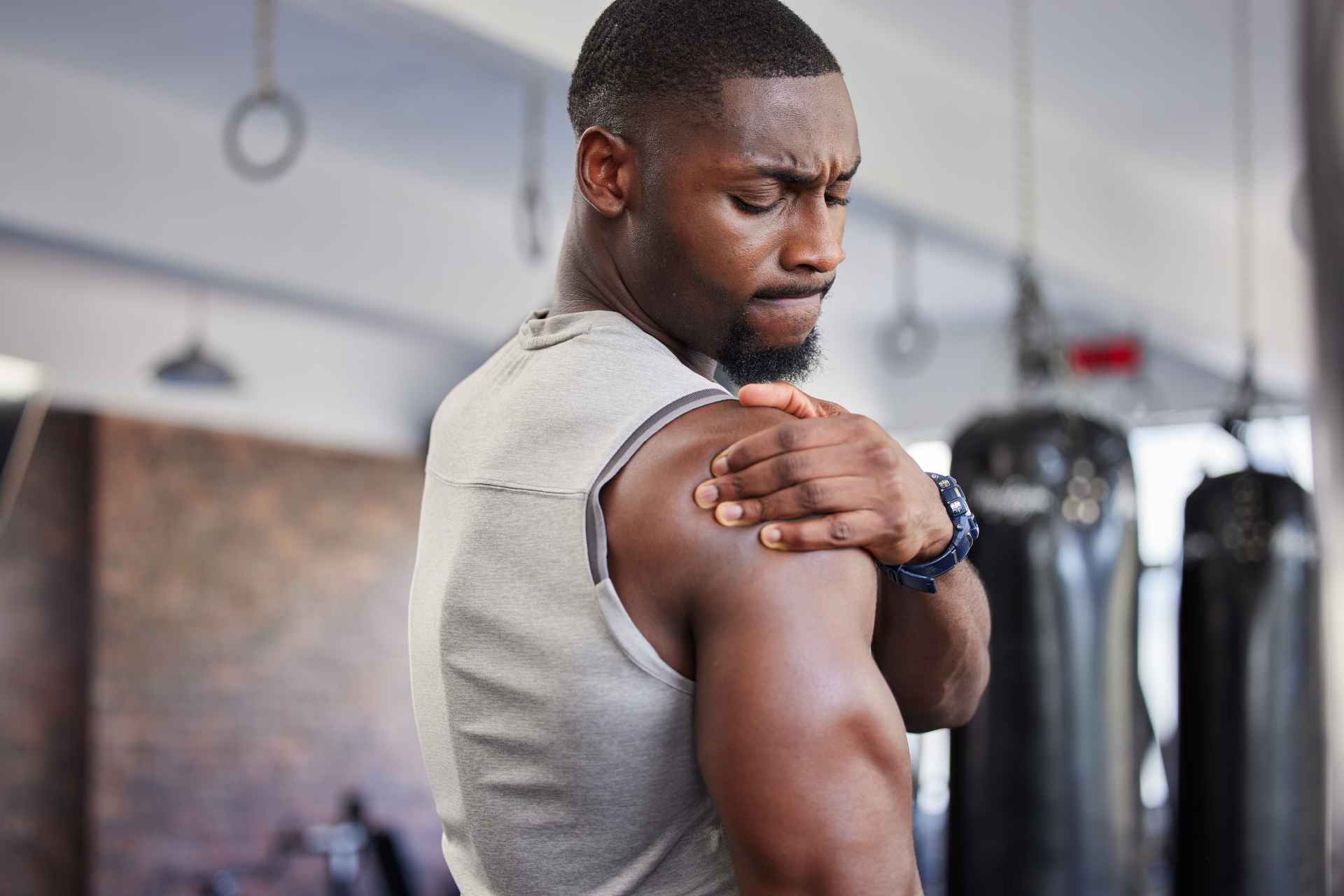
At a Glance
Trigger points — tight bands of muscle that can develop into adhesions, restricting movement and contributing to ongoing pain.
Most sessions are 50 minutes. Needles are retained while the trigger point releases, often paired with acupuncture and/or manual therapy in the same visit. Shorter 30-minute treatments are also available (needles are not retained during the shorter treatments).
Muscle knots, chronic tightness, neck and low back pain, hip pain, shoulder pain, sports injuries, tendonitis, and tension headaches.
Gua sha, cupping, electro-acupuncture, herbs and supplements — determined with Dr. Kim based on your comfort and goals.
Book online anytime, or call 727-710-4798 to schedule with Dr. Kim directly.
Dry needling uses the same thin, sterile, single-use needles as traditional acupuncture, inserted directly into tight bands of muscle — often called trigger points. Over time, these trigger points can develop into adhesions, areas where muscle fibers and surrounding connective tissue become "stuck" together, restricting movement and contributing to ongoing pain.
The needle is "dry" simply because nothing is injected; it's the needle itself, and the response it creates in the muscle, that does the work.
When a needle is placed into a trigger point, it often triggers a small twitch response in the muscle. That twitch is a good sign — it signals the muscle is releasing built-up tension, breaking up adhesions around the area, improving blood flow, and beginning to reset the muscle.
Dry needling is, at its core, a style of acupuncture
It uses the same needles, the same foundational skill in needle placement, and many of the same points used in Traditional Chinese Medicine for centuries to treat muscular pain. The difference is mostly one of framework and focus — and more often an indication of who is doing the needling.
Traditional Acupuncture
- Draws from Traditional Chinese Medicine
- Addresses the body's broader patterns — energy flow, organ systems, and overall balance
- Uses a wide map of points along the meridian/channels across the whole body
- Treats a variety of health concerns and imbalances in the body
Dry Needling
- Narrows in on the neuromuscular system
- Targets trigger points and tight muscle tissue directly
- Often guided by anatomy and palpation to find exactly where the tension lives
- Known for thousands of years as trigger point acupuncture
In practice, the two approaches overlap significantly, and many of the points used in dry needling are the very same points mapped out in classical acupuncture texts. We often draw on both traditions within a single session, depending on what your body needs that day.
Not all dry needling training is the same
Dry needling has become more widely available in recent years, including through physical therapists and chiropractors who've added it to their practice. It's worth understanding what that training typically involves compared to the training of a licensed Acupuncture Physician.
PTs & Chiropractors
- Typically complete a certification course in dry needling
- Often 20–50 hours of coursework
- Focused specifically on trigger point needling technique, layered on top of their primary field of study
Licensed Acupuncture Physicians
- Complete a multi-year master's or doctoral-level program
- Several thousand hours of supervised education and clinical training
- Deep, hands-on experience with needling technique across the entire body
- Diagnostic training in how muscle tension connects to the broader systems of the body
Dr. Kim Kuhn holds a Doctorate in Traditional Chinese Medicine and was trained in this style of needling from the very beginning. She has extensive training and knowledge in dry needling, including pelvic floor dry needling.
What this means for you: a licensed Acupuncture Physician isn't just trained to needle a trigger point — we're trained to understand the fuller picture of why that tension developed in the first place, how it connects to other patterns in your body, and how to safely and precisely needle around sensitive structures throughout the entire body, not just a handful of common trigger point sites.
Both approaches can offer real relief, and dry needling performed by any well-trained provider can be effective. But if you're looking for a provider with extensive, dedicated needling experience and a broader diagnostic lens, working with a licensed Acupuncture Physician offers a level of depth that a short certification course alone doesn't provide.
Where dry needling can help
Dry needling is especially effective for pain and dysfunction rooted in muscle tension. If you're dealing with a specific area of tightness or pain that hasn't responded to other approaches, it's often a great next step.
Muscle Knots & Trigger Points
Chronic Muscle Tightness & Stiffness
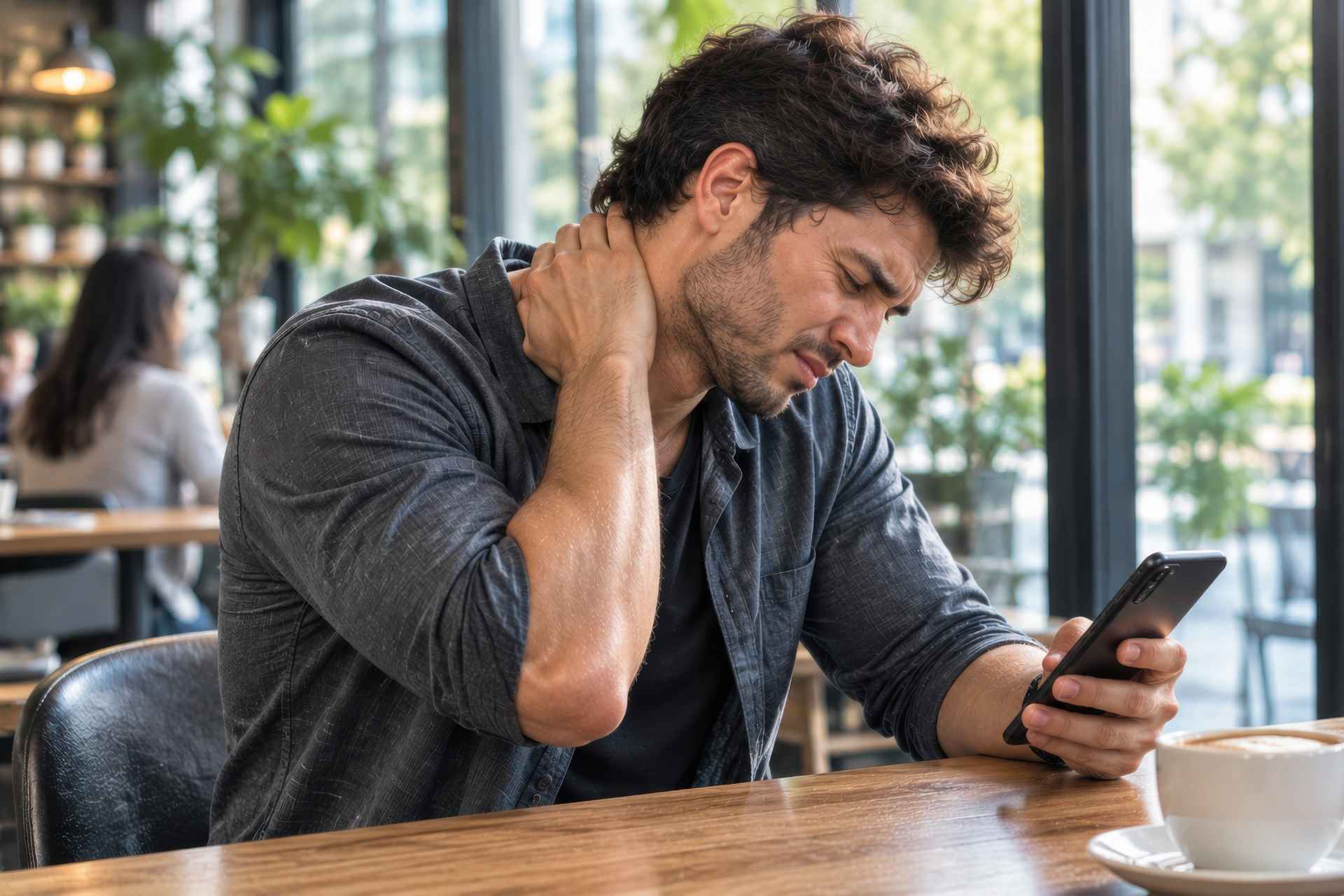
Neck & Shoulder Tension
Low Back Pain & Sciatica
Sports Injuries & Muscle Strains
Tendonitis
Tension Headaches & Migraines
Postural Pain From Desk Work
Recovery & Performance for Athletes
What happens when the muscle releases
Releases Built-Up Tension
The twitch response signals that tight, overworked muscle fibers are beginning to let go and reset towards its more normal state.
Improves Blood Flow
Circulation increases around the treated area, helping to nourish the tissue and support recovery.
Breaks Up Adhesions
Muscle fibers and connective tissue that had become "stuck" together start to move more freely again.
What to expect
Assessment
We'll locate the muscles and trigger points contributing to your pain through palpation and movement testing.
Needling
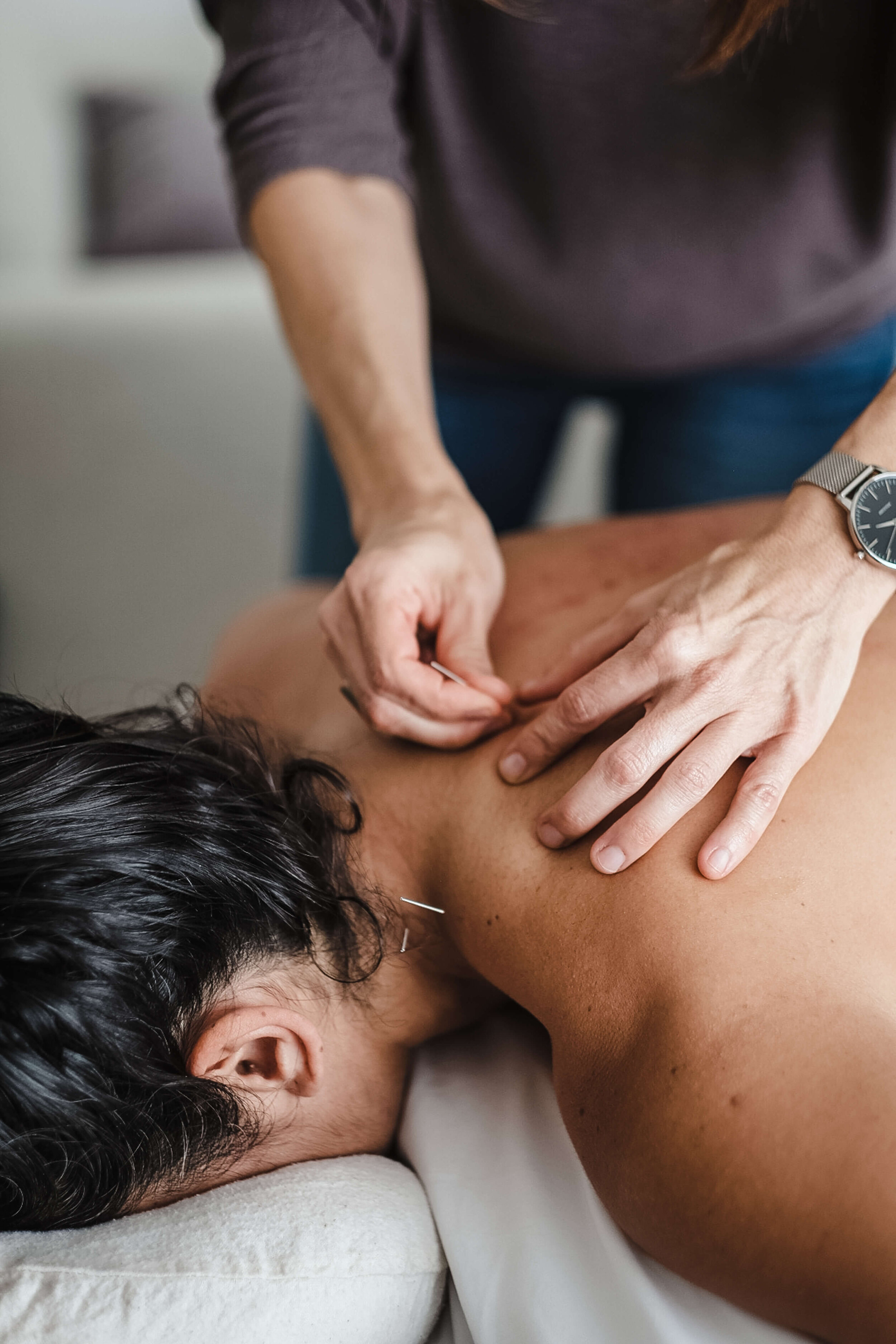
Thin, sterile needles are inserted directly into the identified trigger points and used to break up the trigger point or band. You may feel a brief ache, twitch, or cramping sensation as the muscle releases — this is normal and typically fades quickly.
Release
Needles will be manipulated gently to encourage a full release of the muscle. You'll then rest with the needles retained so they can continue to allow the trigger point to unwind.
Aftercare
Mild soreness afterward is common, similar to how a muscle feels after a good workout, and usually resolves within a day or two. We'll walk you through simple aftercare to support your recovery.
Finding the right fit
Dry needling tends to work well for people with clear, localized muscle tension or pain — whether from an old injury, overuse, poor posture, or athletic training. During your visit, we'll assess whether dry needling, traditional acupuncture, or a combination of both is the best fit for your goals.
Frequently asked questions about dry needling
What is the difference between dry needling and acupuncture?
Dry needling is, at its core, a style of acupuncture — it uses the same needles and many of the same points found in Traditional Chinese Medicine, but narrows in on trigger points within the neuromuscular system. Traditional acupuncture addresses the body's broader patterns of energy flow and overall balance.
What conditions does dry needling treat?
Dry needling is especially effective for muscle knots, chronic tightness, neck and low back pain, tendonitis, sports injuries, tension headaches, sciatica-related tightness, and postural pain from desk work or repetitive movement.
Does dry needling hurt?
You may feel a brief ache, twitch, or cramping sensation as the needle reaches a trigger point and the muscle releases. This is a normal response and typically fades quickly.
How many sessions will I need?
This varies by individual and the severity of the issue. Some people notice relief after one session, while others benefit from multiple visits. Dr. Kim builds a treatment plan around your specific goals.
Why choose a licensed Acupuncture Physician for dry needling?
A licensed Acupuncture Physician completes several thousand hours of supervised training in needle technique, anatomy, and safety. Dr. Kim Kuhn holds a Doctorate in Traditional Chinese Medicine and has extensive experience in dry needling, including pelvic floor dry needling.
Is dry needling right for me?
Dry needling tends to work well for clear, localized muscle tension or pain — from an old injury, overuse, poor posture, or athletic training. During your visit, we'll assess whether dry needling, acupuncture, or a combination is the best fit for your goals.
Ready to get started?
If muscle tension or stubborn pain has been holding you back, let's talk about whether dry needling can help.
Not sure which treatment is right for you?
Dr. Kim helps every new client determine whether acupuncture, dry needling, or a combination of both fits their goals best — along with complementary options like gua sha, cupping, and herbal medicine. We're dedicated to your health, wellness, and wholeness, and we're here to support you holistically.